

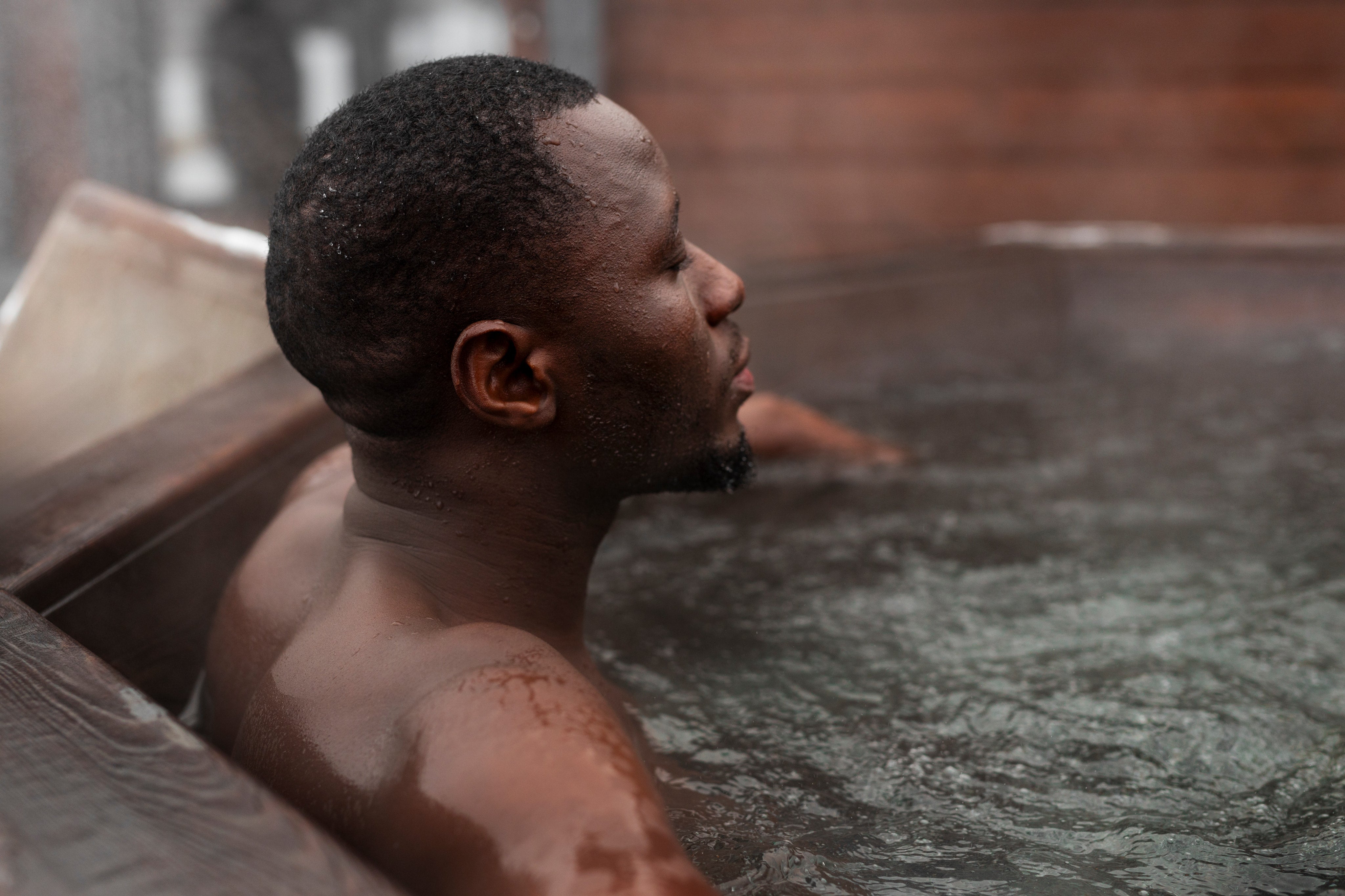
Cold Plunging: Benefits, Science, and How to Get Started Safely
Cold plunging has moved from elite athletes and Nordic traditions into mainstream wellness spaces for a reason. This simple yet powerful practice uses cold water immersion (being attacked by cold shower water is not the same as immersion) to support physical recovery, mental resilience, and overall well being.
In a cold plunge, most of your body is submerged at the same time. This triggers a rapid and uniform response from your nervous system and blood vessels.
A cold shower hits the body unevenly. The water moves, the exposure is inconsistent, and your core temperature does not drop in the same controlled way.
Cold immersion forces the body to adapt all at once, which leads to a more powerful physiological response.
Whether you are new to cold exposure or curious about why it has become such a popular wellness ritual, understanding how cold plunging works can help you approach it safely and intentionally.
What Is Cold Plunging?
Cold plunging, also known as cold water immersion, involves submerging the body in cold water for a short period of time. Water temperatures typically range from 45 to 59 degrees Fahrenheit, though beginners may start warmer.
Cold plunges are often used on their own or as part of contrast therapy, where cold exposure is paired with heat such as an infrared sauna. This dry hot and wet cold cycle helps stimulate circulation and muscle recovery.
The Benefits of Cold Plunging
Cold plunging offers both physical and mental benefits that extend beyond the moment of discomfort.
Reduced Inflammation and Muscle Recovery
Cold exposure causes blood vessels to constrict, which help reduce inflammation and muscle soreness. After exiting the cold, circulation increases, delivering oxygen and nutrients back to the muscles. This is why cold plunging is commonly used after workouts or physical activity.
Improved Circulation
The alternating constriction and dilation of blood vessels encourages healthy blood flow throughout the body. Over time, this supports cardiovascular health and faster recovery.
Mental Resilience and Stress Reduction
Cold plunging activates the nervous system and requires focused breathing. This combination can help regulate stress responses and improve emotional resilience. Many people report feeling calmer, clearer, and more energized after a cold plunge.
Boosted Mood and Energy
Cold exposure triggers the release of endorphins and dopamine, chemicals in the brain associated with mood and motivation. This natural boost can leave you feeling refreshed and uplifted long after the plunge ends.
Immune System Support
Some studies suggest regular cold exposure may support immune function by stimulating white blood cell production and improving the body’s stress response.
How Long Should You Cold Plunge?
Cold plunging does not need to be long to be effective. Most benefits can be achieved in one to three minute cycles, on their own or part of a contrast therapy regimine.

